
Key Takeaways
- Shin splints cause tenderness and pain along the inner side of the shinbone, usually developing after physical activity.
- Swelling and mild redness often accompany the pain, indicating inflammation in the area.
- Pain often subsides with rest but returns quickly once you resume exercise — ignoring symptoms can lead to a stress fracture.
- The R.I.C.E. method, proper footwear, and gradual training are essential for prevention and recovery.
- Choice Podiatry Center specializes in podiatric sports medicine in Georgia. If you suspect shin splints, schedule an appointment today to get back on your feet safely.
REQUEST AN APPOINTMENT
Understanding Medial Tibial Stress Syndrome
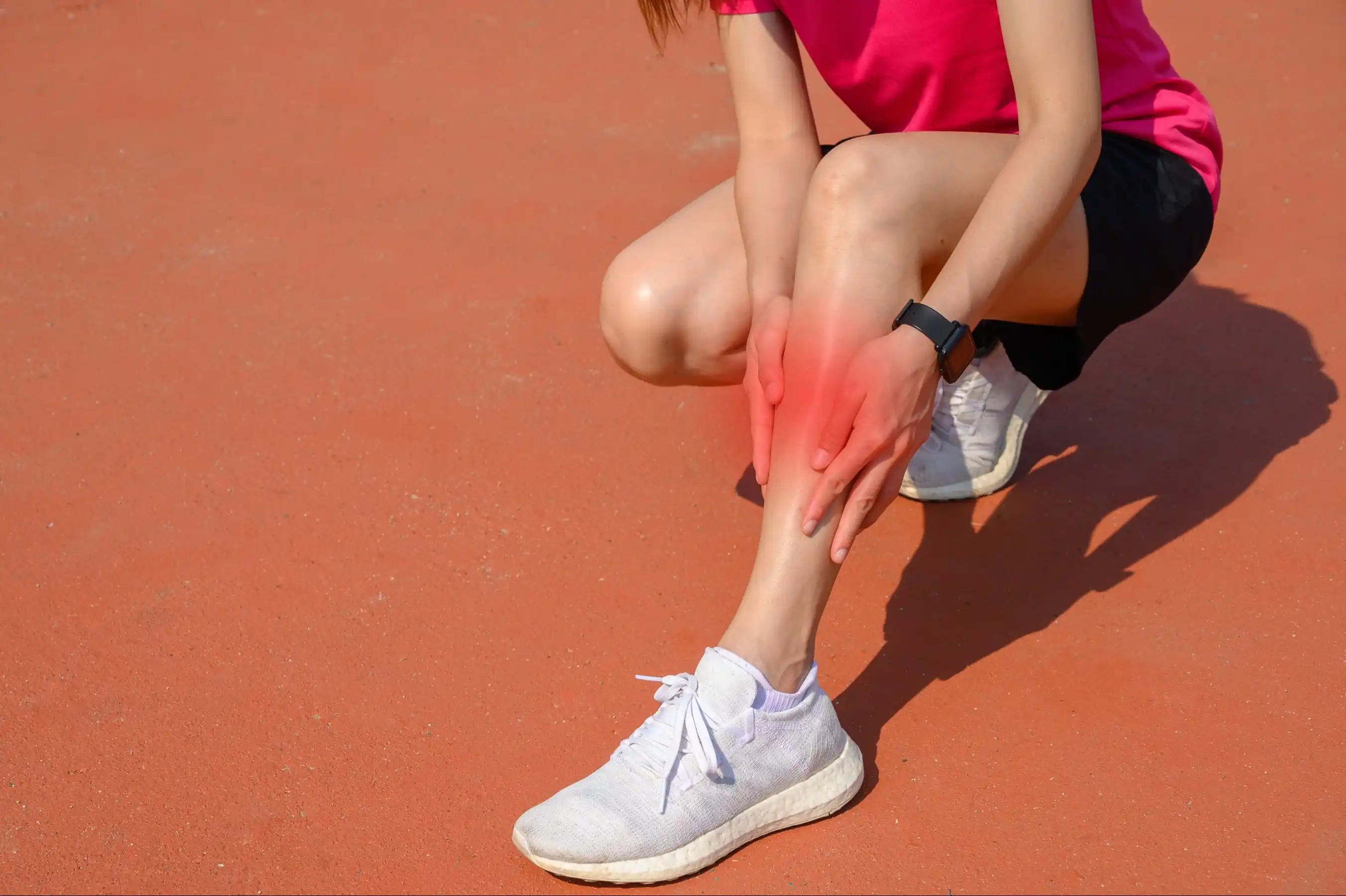
Few things derail a fitness goal faster than the sharp, nagging pain of shin splints. Medically known as medial tibial stress syndrome, this condition is a common overuse injury affecting the muscles, tendons, and bone tissue around the tibia (shinbone). It happens when those tissues become overworked by repetitive activity. While runners are the most frequent victims, shin splints can also affect dancers, military recruits, and anyone who recently intensified their workout routine. The pain is a warning signal that the stress load on your legs is too high, and recognizing it early can mean the difference between a few days of rest and a debilitating stress fracture.
6 Signs You're Dealing With Shin Splints
1. Tenderness Along the Inner Leg
The hallmark sign of shin splints is a specific type of tenderness along the inner (medial) part of the lower leg, concentrated along the border of the tibia. If you press on the area, roughly halfway down the shin, you may feel a distinct line of pain caused by inflammation of the connective tissue covering the bone.
2. Pain That Develops During Exercise
Initially, pain may appear only toward the end of a workout. As the condition progresses, discomfort can start earlier in a session, and in severe cases, pain is present even while walking or resting.
3. Dull Aches After Physical Activity
A lingering, dull ache in the front of the lower leg after cooling down is a strong indicator of medial tibial stress syndrome. This is often confused with ordinary muscle fatigue, but shin splint pain tends to feel deeper, more like bone pain than muscle tightness.
4. Mild Swelling in the Lower Leg
Inflammation of the periosteum, the connective tissue covering the bone, can cause noticeable swelling. You might not see an obvious lump, but socks may leave deeper indentations than usual, or the skin over the shin may look slightly puffy or shiny.
5. Numbness or Weakness in the Feet
In more advanced cases, swelling in the lower leg can irritate nearby nerves, causing numbness, tingling, or weakness that extends into the feet. If your leg feels extremely tight, hot to the touch, and numbness is significant, seek medical attention immediately, as these can be signs of compartment syndrome, a serious condition requiring urgent care.
6. Pain That Improves With Rest, Then Returns
One of the most frustrating aspects of shin splints is their cyclical nature: a few days off relieves the pain, but it returns as soon as activity resumes. This happens because bone tissue needs significant time to remodel and strengthen after being stressed — a few days of rest calms acute inflammation but does not fully heal the underlying micro-trauma.
Shin Splints vs. Stress Fractures
It is important to distinguish shin splints from a stress fracture, since treatment differs significantly.
| Feature | Shin Splints (Medial Tibial Stress Syndrome) | Stress Fracture |
|---|---|---|
| Pain Location | Diffuse pain spread over a few inches along the bone | Pinpoint pain in a specific spot smaller than a coin |
| Pain Onset | Often hurts at the start of a workout, warms up, then hurts afterward | Pain worsens progressively during activity and persists at rest |
| Tenderness | Tender along a stretch of the bone | Extremely sharp pain when pressing on one specific spot |
| Healing Time | Typically 2 to 4 weeks with rest and modification | Typically 6 to 8 weeks or longer, often requiring immobilization |
Common Causes and Risk Factors
- Sudden increases in mileage or intensity (violating the "10% rule" of gradual progression)
- Flat feet or overpronation, which pulls on the tendons attached to the shin
- Worn-out shoes — running shoes lose their shock-absorbing ability after roughly 300 to 500 miles
- Hard training surfaces, like concrete or asphalt, which return more impact force into the shins than grass, dirt trails, or a synthetic track
- Overstriding, or landing with the foot too far in front of the hip, which acts like a brake with every step and sends extra shock up the shin
Managing Shin Splint Pain During Recovery
The first and often hardest step is stopping the activity that caused the pain. Immediate pain management typically follows the R.I.C.E. protocol:
- Rest — take a break from high-impact activities like running or jumping.
- Ice — apply ice packs to the affected area for 15 to 20 minutes at a time, several times a day, to reduce inflammation and numb pain.
- Compression — a compression sleeve or elastic bandage can help minimize swelling and reduce the vibration that occurs during movement.
- Elevation — propping the leg above heart level helps reduce fluid accumulation and throbbing.
Over-the-counter pain relievers can help with acute discomfort but should not be used simply to mask pain so you can keep exercising. If you need medication to run, you are not ready to run.
Cross-Training During Recovery
Resting your shins does not mean stopping exercise entirely. Low-impact activities keep cardiovascular fitness up without subjecting the tibia to repetitive pounding.
| Safe Activities (Low Impact) | Risky Activities (High Impact) |
|---|---|
| Swimming | Running on concrete or asphalt |
| Stationary cycling | Jumping rope |
| Elliptical training | High-intensity interval training (HIIT) |
| Water aerobics | Basketball or tennis |
| Gentle yoga flow | Downhill hiking |
Stretches and Strengthening
Once acute pain subsides, rehabilitation should focus on flexibility and strength, since tight calf muscles place extra stress on the shin bone during movement.
- Calf stretch (gastroc stretch): Stand facing a wall with one foot forward and one back, keeping the back leg straight and heel on the ground. Lean forward until you feel a stretch in the calf. Hold for 30 seconds.
- Soleus stretch: Similar to the calf stretch, but with the back knee bent to target the deeper calf muscle.
- Toe taps: While seated with heels on the floor, tap your toes up and down to strengthen the muscles on the front of the shin (the anterior tibialis).
- Heel drop: Stand on the edge of a step, lower your heels below the step level to stretch the Achilles tendon and calves, then rise back up.
Long-Term Prevention Strategies
- Follow the 10% rule. When increasing weekly mileage or training intensity, avoid increasing more than about 10 percent per week, giving your bones time to remodel and strengthen.
- Replace worn-out shoes. Track the mileage on your running shoes and replace them every 300 to 500 miles, or sooner if you notice uneven sole wear.
- Choose softer surfaces when possible. Grass, dirt trails, or a synthetic track put less strain on the shins than concrete or asphalt.
- Watch your running mechanics. Increasing your cadence, or taking shorter, quicker steps, helps align your landing under your center of mass and reduces the impact forces that contribute to shin splints.
How a Podiatrist Can Help
Sometimes home remedies and rest aren't enough. If your pain persists despite rest, or you notice swelling or hot spots on the bone, it's crucial to see a specialist. Choice Podiatry Center's sports medicine team offers comprehensive evaluations to rule out stress fractures and chronic exertional compartment syndrome, and can analyze your gait to identify biomechanical issues contributing to the injury. Depending on what's found, treatment may include:
- Gait analysis to identify biomechanical flaws
- Custom orthotics to correct overpronation or high arches
- Physical therapy to correct muscle imbalances
- Advanced imaging, such as X-rays or MRI, to rule out a stress fracture
Shin splints don't have to be a chronic condition that keeps you on the sidelines. With the right combination of rest, strengthening, and professional guidance, you can return to your active lifestyle stronger than before. If you are experiencing any of these six signs, or your leg pain persists despite home care, Choice Podiatry Center is here to help.
Request an appointment for our podiatric sports medicine services today.