
Heel Pain Treatment in Marietta & Cobb County
Plantar Fasciitis
Heel pain can make the first steps of the morning feel especially difficult. At Choice Podiatry Center in Marietta, Dr. Vivian Iwu, DPM, identifies what is causing the pain and builds a plan that may include footwear changes, custom orthotics, EPAT shockwave, laser therapy, amniotic injections, or surgery when conservative care has not helped.
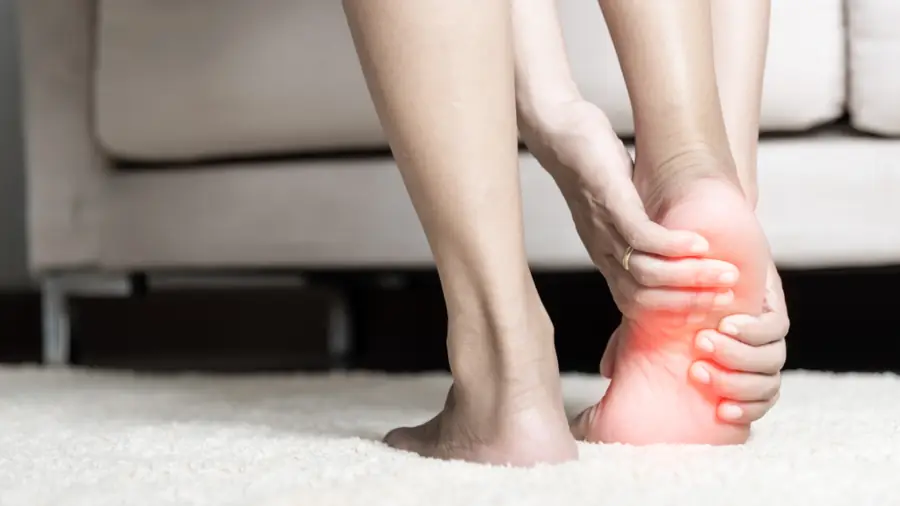
Plantar fasciitis is common, but it is not the only source of heel pain. An accurate diagnosis matters because Achilles tendon problems, heel spurs, and nerve irritation can create a different pattern and may need a different approach.
Dr. Iwu listens to when the pain began, what makes it better or worse, and how it affects your routine. Treatment is matched to your examination rather than relying on a one-size-fits-all remedy.
AppointmentsPersonalized Heel Pain Care
Is it plantar fasciitis?
The plantar fascia is a thick band of tissue along the bottom of the foot that connects the heel to the toes. It stretches and recoils with each step. When this tissue becomes irritated, pain is often felt near the bottom of the heel.
A classic pattern is sharp pain with the first steps after waking or after sitting for a while. The discomfort may ease as the foot warms up, then return after long periods of standing, walking, or physical activity. Tenderness along the sole and pain after activity are also common.
Symptoms tell only part of the story. Dr. Iwu reviews how the pain started, recent activity changes, footwear, the exact area of tenderness, and the way your foot and ankle move. That evaluation helps confirm plantar fasciitis and guides the treatment plan.
Other causes of heel pain we diagnose
Not every painful heel is plantar fasciitis. Heel spurs may be seen alongside heel pain, but the spur itself is not the same condition as irritation of the plantar fascia. Achilles tendon problems more often affect the back of the heel, while nerve irritation may cause burning, tingling, numbness, or pain that follows a different path.
Because these problems can overlap, treating yourself based only on the location of pain may delay the right care. An evaluation is especially important when pain follows an injury, causes a limp, keeps returning, or comes with swelling, numbness, redness, warmth, or an open wound.
EPAT shockwave therapy
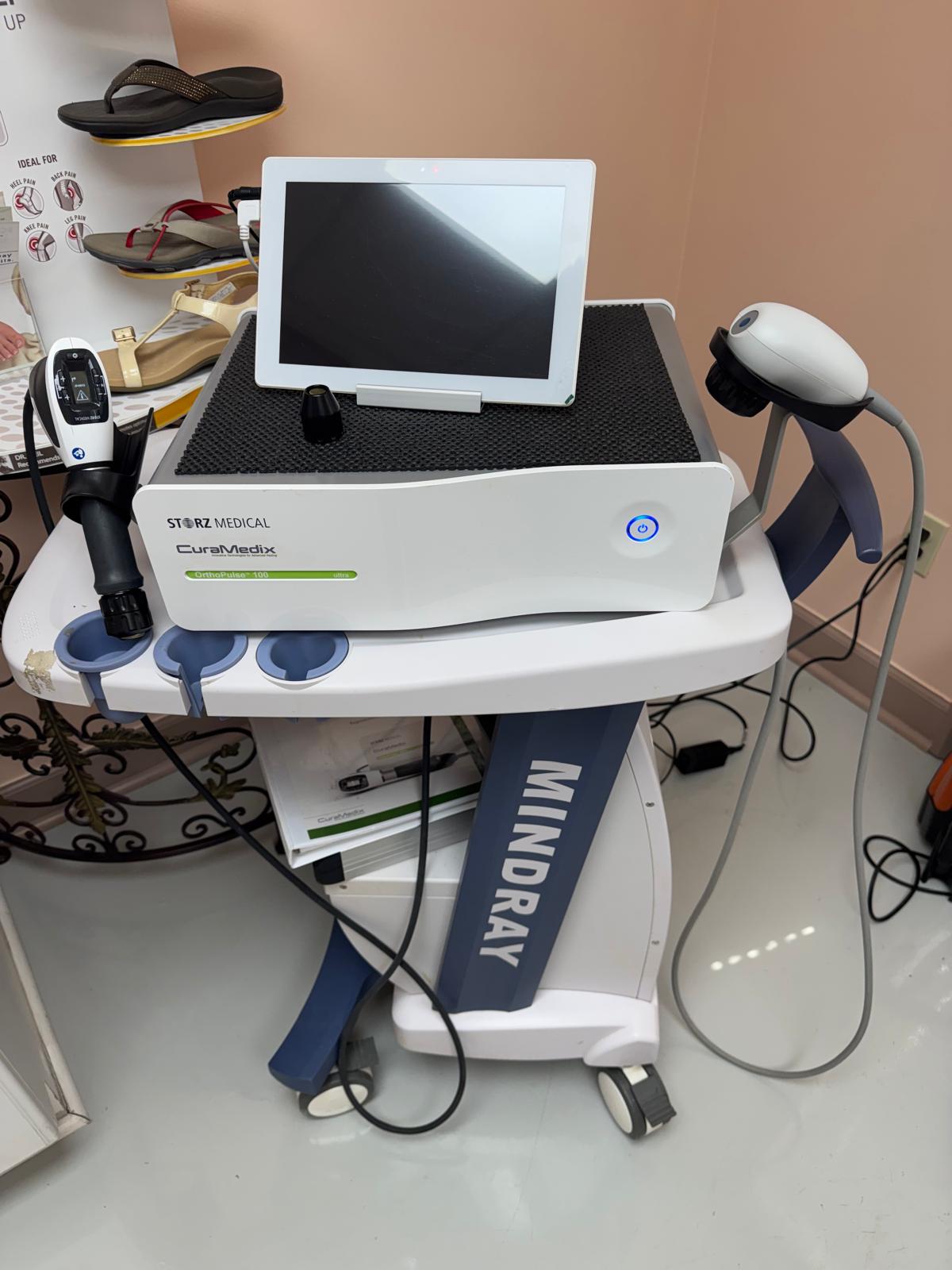
EPAT uses acoustic pressure waves to support the body's healing response in irritated tissue. It is non-invasive, so there is no surgical incision. Dr. Iwu may consider EPAT when plantar fasciitis has not improved enough with initial conservative measures.
During the visit, treatment is directed to the painful area. Sensation varies from person to person, and settings can be discussed based on comfort and the condition being treated. EPAT generally does not require surgical downtime, but your activity guidance will depend on your symptoms. The number and spacing of visits are individualized; Dr. Iwu will estimate this at your visit.
Laser therapy
Laser therapy uses focused light energy as a non-invasive option for pain, inflammation, and tissue repair. It may be included in a broader treatment plan rather than used alone. Whether it fits your care depends on the diagnosis, symptom duration, and what you have already tried.
EPAT and laser therapy are different technologies. Dr. Iwu can explain the reason for recommending one, both, or neither after examining your heel.
Amniotic injections
Amniotic injections are a regenerative treatment option Dr. Iwu may recommend for some patients whose heel pain or plantar fasciitis has not improved enough with initial care. They are injected into the painful area and are intended to support the body's own tissue repair.
Whether they are a good fit depends on your exam, how long symptoms have lasted, and the treatments you have already tried. Results vary, and Dr. Iwu will talk through realistic expectations with you.
Custom orthotics and footwear
Supportive footwear can reduce repeated stress on the heel. A stable heel, appropriate cushioning, adequate width, and support that fits your foot are more useful than choosing a shoe by brand alone. Worn or overly flexible shoes may continue to aggravate the area.
Not everyone needs custom orthotics. Some people do well with better shoes, activity changes, stretching, and an over-the-counter insert. Custom devices may be useful when symptoms recur, standard support is not enough, or your foot mechanics require more individualized pressure control. Dr. Iwu examines your structure and walking pattern before recommending them.
When surgery is considered
Plantar fasciitis care usually begins without surgery. Activity modification, supportive shoes, stretching, orthotic support, EPAT, laser therapy, and other conservative options may be considered based on the cause and severity of pain.
Surgery becomes a discussion only when an accurate diagnosis has been made and appropriate conservative care has failed to provide enough relief. The procedure and recovery depend on the individual problem. Dr. Iwu will review the expected benefits, risks, limitations, and recovery in general terms before you decide.
Insurance and booking
Choice Podiatry Center accepts UnitedHealthcare, Medicare, Cigna, BlueCross BlueShield, Anthem, Aetna, and CareSource. Coverage varies by plan, including coverage for office visits, imaging, orthotics, and advanced treatments.
For heel pain or plantar fasciitis care in Cobb County, request an appointment or call (770) 702-8723. Choice Podiatry Center is at 540 Powder Springs St SW, Suite B6, Marietta, GA 30064.
Frequently Asked Questions
How long does plantar fasciitis take to heal?
Healing time varies with how long symptoms have been present, the cause, activity demands, and response to care. Dr. Iwu will estimate this at your visit and adjust your plan as symptoms change.
Does EPAT hurt, and is there downtime?
Sensation varies, and the treatment can be adjusted with comfort in mind. EPAT is non-invasive and generally does not require surgical downtime, but follow the activity guidance given for your condition.
Do I need custom orthotics?
Not always. Supportive shoes or an over-the-counter insert may be enough for some people. Custom orthotics may help when symptoms recur, standard support fails, or your foot needs individualized pressure control.
Are amniotic injections an option for plantar fasciitis?
They may be for some patients whose heel pain has not improved enough with initial care. Amniotic injections are intended to support the body's own tissue repair, and Dr. Iwu will decide whether they fit based on your exam, symptom history, and past treatments.
Are heel spurs the same as plantar fasciitis?
No. A heel spur is a bony growth, while plantar fasciitis involves irritation of the plantar fascia. They can occur together, but one does not automatically prove that the other is causing pain.
When is surgery needed?
Surgery is usually considered only after the diagnosis is confirmed and appropriate conservative treatments have not provided enough relief. The decision is individualized.
How do I book in Marietta?
Request an appointment online or call Choice Podiatry Center at (770) 702-8723. The office is at 540 Powder Springs St SW, Suite B6, Marietta, GA 30064.