
Bunion Treatment in Marietta & Cobb County
Bunions
A bunion can make shoes uncomfortable, change how you walk, and turn ordinary errands into a painful task. At Choice Podiatry Center in Marietta, Dr. Vivian Iwu, DPM, provides conservative care and minimally invasive bunion surgery based on your symptoms, foot structure, and daily needs.
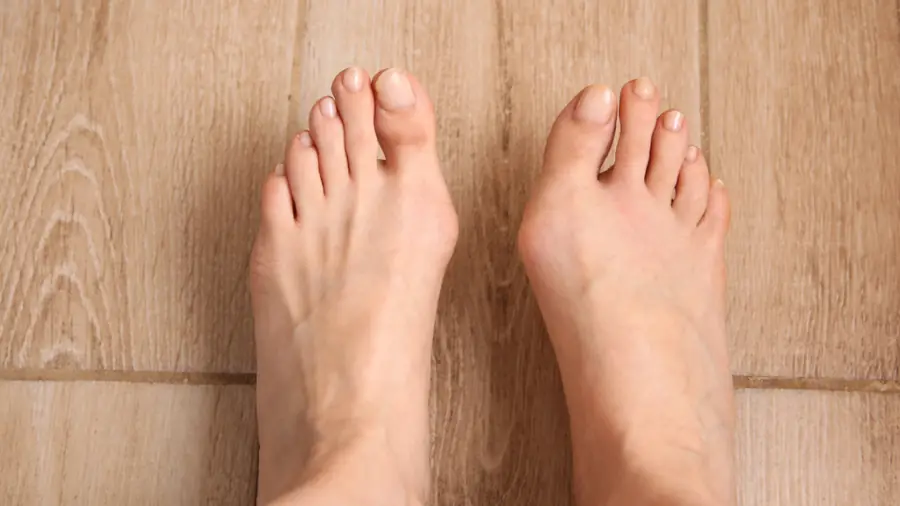
Treatment does not automatically mean surgery. Dr. Iwu starts with an examination and a conversation about when the pain occurs, which shoes bother you, and how the bunion affects work, exercise, and family life. The goal is to choose the least invasive option that fits the problem.
When conservative care no longer provides enough relief, Dr. Iwu can discuss minimally invasive correction performed in-house. Your recommendation and recovery plan are individualized; a consultation is a chance to understand the choices, not a commitment to a procedure.
AppointmentsPatient-Focused Bunion Care in Marietta
What a bunion is
A bunion is a bony bump at the base of the big toe. It develops as the bones at the front of the foot move out of alignment and the big toe begins to angle toward the smaller toes. The joint may become red, swollen, stiff, or tender, especially when a shoe presses against it.
Some bunions are visible but do not interfere with daily life. Others cause a deep ache, sharp pain with walking, trouble fitting into shoes, or crowding of the neighboring toes. Because arthritis, gout, and other problems can also cause pain around the big-toe joint, an examination helps confirm what is actually causing your symptoms.
Bunions usually change gradually. The size of the bump alone does not decide treatment: Dr. Iwu also considers pain, joint movement, footwear limits, and whether the deformity is progressing.
Non-surgical bunion treatment
Many patients begin with conservative care. These measures do not realign the bones, but they can reduce pressure and help you stay comfortable. Depending on the examination, your plan may include:
- Supportive shoes with a wide, deep toe box
- Padding or splints to limit rubbing and irritation
- Custom orthotics to redistribute pressure and support the foot
- Medication to calm inflammation during a flare-up
- Changes to activities that repeatedly aggravate the joint
Conservative care may be enough when pain is occasional and your preferred shoes and activities are still manageable. Dr. Iwu can also help you understand what these options can and cannot change so you have realistic expectations.
When bunion surgery makes sense
Surgery is considered when the bunion continues to limit you after appropriate non-surgical care. Reasons to have that conversation include pain at rest, persistent pain with walking, difficulty finding shoes, increasing stiffness, a deformity that continues to progress, or a big toe that crowds the others.
The decision is based on function and pain, not appearance. A large bunion that is comfortable may not need an operation, while a smaller bunion that makes every step difficult may deserve a surgical discussion. Dr. Iwu will examine the joint and explain whether continued conservative care or correction is the more appropriate path.
Minimally invasive bunion surgery (what's different)
Traditional bunion surgery uses a larger incision to reach and correct the bones and joint. Minimally invasive bunion surgery uses smaller incisions and specialized instruments to make the correction. For appropriate patients, the smaller approach may mean less tissue disruption, less swelling, smaller scars, and a faster return to shoes and regular activity.
No single procedure is right for every foot. The size of the deformity, condition of the joint, and your health and activity goals all matter. A more advanced bunion may need a different approach. Dr. Iwu will explain which option fits your foot and why, along with the risks and expected limitations.
Recovery: what to expect
Recovery varies with the procedure and the way your body heals. You may need a protective surgical shoe, reduced activity, dressing care, and follow-up visits while the correction heals. Returning to regular shoes, work, driving, or exercise happens in stages rather than on one universal schedule.
Before surgery, the team will discuss practical planning: how much time you may need away from specific duties, which activities to avoid, how to protect the foot, and when follow-up is needed. Dr. Iwu will estimate your timeline at your visit and adjust advice as healing progresses. Following those instructions is an important part of protecting the correction.
Why patients choose in-house surgery at Choice Podiatry
Dr. Vivian Iwu is a board-certified podiatrist who provides both conservative and surgical bunion care. When minimally invasive surgery is appropriate, it is performed in-house at Choice Podiatry Center, allowing patients to receive evaluation, treatment, and follow-up through the same Marietta practice.
Patients from across Cobb County can ask questions directly, understand the reason for each recommendation, and receive a plan shaped around their work, footwear, and mobility goals. The focus is thoughtful care and clear expectations from the first consultation through recovery.
Insurance and booking
Choice Podiatry Center accepts UnitedHealthcare, Medicare, Cigna, BlueCross BlueShield, Anthem, Aetna, and CareSource. Coverage varies by plan, so contact your insurer and our office to review benefits and any expected responsibility before treatment.
To discuss bunion care with Dr. Iwu, request an appointment online or call (770) 702-8723. The office is at 540 Powder Springs St SW, Suite B6, Marietta, GA 30064.
Frequently Asked Questions
Does every bunion need surgery?
No. Many bunions can be managed with roomier shoes, padding, custom orthotics, activity changes, and medication for inflammation. Surgery is considered when pain or loss of function continues despite conservative care.
Can a bunion go away without surgery?
Conservative treatment can reduce pressure and discomfort, but it does not reverse the underlying bone alignment. Surgery is the option that corrects the deformity itself.
When should I consider bunion surgery?
It may be time to discuss surgery when pain occurs at rest or with normal walking, shoes no longer fit comfortably, the joint becomes stiff, the deformity progresses, or the big toe crowds the other toes.
How is minimally invasive bunion surgery different?
It uses smaller incisions and specialized instruments rather than one larger incision. For suitable patients, that may mean less tissue disruption, less swelling, smaller scars, and a faster return to shoes.
How long is bunion surgery recovery?
There is no single timeline. Recovery depends on the correction, your health, and how your foot heals. Dr. Iwu will estimate this at your visit and guide each stage of activity and footwear.
Does insurance cover bunion treatment?
Coverage varies by plan and the treatment recommended. Choice Podiatry Center accepts UnitedHealthcare, Medicare, Cigna, BlueCross BlueShield, Anthem, Aetna, and CareSource; contact your insurer and our office to confirm benefits.