
If your first few steps out of bed feel like stepping on glass or a bruise that will not quit, you are far from alone. Morning heel pain is one of the most common reasons people come into a podiatry office, and most of the time the culprit is heel pain treatment in Marietta. Most of the time. Not always.
Heel pain has more than one cause, and treating the wrong one wastes weeks. This guide from Dr. Vivian Iwu at Choice Podiatry Center in Marietta helps you sort out what is likely going on with your heel and what to do about it.
What Plantar Fasciitis Actually Is
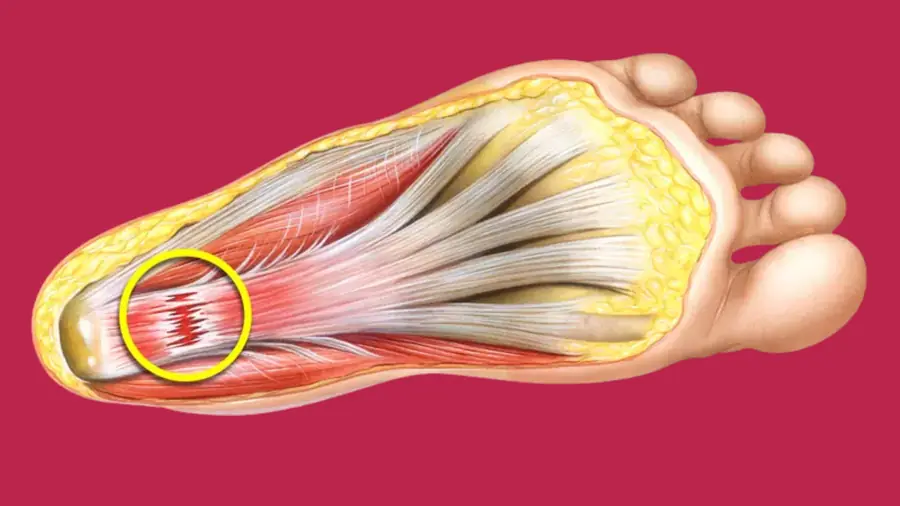
The plantar fascia is a thick band of tissue that runs along the bottom of your foot, connecting your heel to your toes. Plantar fasciitis is what happens when that band gets irritated and inflamed, usually where it attaches to the heel bone.
That band takes a surprising amount of load every day. Every step you take, it stretches and recoils. When it is overworked or strained, small irritations build up where it anchors to the heel, and that is what you feel with those first steps in the morning.
Three Classic Signs It Is Plantar Fasciitis
Plantar fasciitis has a signature pattern. If your pain checks these boxes, it is the most likely suspect:
- It is worst first thing in the morning. Those initial steps after sleeping are the classic complaint.
- It flares after rest. Standing up after sitting for a while brings it back, even later in the day.
- It eases as you move, then returns. The pain often loosens up after a few minutes of walking, then creeps back once you have been on your feet too long.
That morning and after rest pattern is the biggest clue. The tissue tightens while you are still, and those first steps stretch it suddenly.
What Else Could Be Causing Your Heel Pain
Not all heel pain is plantar fasciitis. A few other conditions can feel similar, and telling them apart is exactly what a podiatrist is for:
- Heel spur. A bony growth on the heel bone, often found alongside plantar fasciitis. The two get confused, but they are not the same thing, and the spur is frequently not the real source of pain.
- Achilles tendinitis. This one shows up at the back of the heel rather than underneath it, where the Achilles tendon attaches.
- Stress fracture. A small crack in the heel bone causes pain that tends to worsen with activity rather than ease with it, which is a useful distinction.
- Plantar fibroma. A benign nodule in the arch that you can sometimes feel as a firm lump.
- Nerve entrapment. A pinched nerve in the foot can cause burning, tingling, or numbness rather than the deep ache of plantar fasciitis.
The takeaway is not to panic through this list. It is to understand why guessing at home only gets you so far.
You do not need to diagnose yourself from these conditions. The reason to know they exist is simpler: if your pain does not match the plantar fasciitis pattern, do not assume that is what it is and treat it for months on your own. That is how a stress fracture or a pinched nerve gets missed.
A Quick Self Check
Ask yourself a few questions:
- Is the pain on the bottom of the heel, not the back?
- Is it worst in the morning and after sitting?
- Does it ease with a few minutes of movement?
- Does it come back after long periods on your feet?
If you answered yes to most of these, plantar fasciitis is the likely answer, and home care is a reasonable place to start. If your pain is at the back of the heel, gets worse the more you move, or comes with numbness and tingling, that points somewhere else, and it is worth getting it looked at rather than treating it as plantar fasciitis.
What to Try at Home First
For a classic case, conservative steps often help:
- Stretch the calf and the bottom of the foot, especially before those first morning steps
- Ice the heel for about fifteen minutes after activity
- Wear supportive shoes with good arch support, and avoid going barefoot on hard floors
- Give high impact activity a rest while things calm down
Give it a couple of weeks of consistent effort. Plantar fasciitis is stubborn, but many people improve with steady home care.
When to Come In
Home care has limits. It is time to see a podiatrist when:
- The pain has not improved after two to three weeks of consistent home care
- It is bad enough to change how you walk or keep you off your feet
- The pain is at the back of the heel, or worsens the more you move
- You have numbness, tingling, or burning
- The heel is swollen, or painful enough that you suspect something more than plantar fasciitis
Pushing through heel pain for months rarely ends well. The sooner the cause is pinned down, the sooner it gets better.
How Dr. Iwu Evaluates and Treats Heel Pain
At Choice Podiatry Center, Dr. Iwu starts with a hands on exam to locate exactly where the pain lives and how it behaves. When it helps, imaging can confirm whether a heel spur, stress fracture, or something else is involved.
From there, treatment is conservative first as part of her full range of podiatry services. That usually means a plan built around stretching, supportive footwear, custom orthotics fitted in the office, and other measures matched to your diagnosis. The goal is to treat the actual cause of your heel pain rather than chase the symptom, and to get you back on your feet without unnecessary steps.
Most heel pain never needs surgery. The large majority of patients improve with a well matched conservative plan and a bit of patience. The value of coming in is getting the right plan sooner, instead of trying random fixes and hoping one of them sticks.
Get Your Heel Pain Evaluated in Marietta
If your mornings start with a sore heel, you do not have to keep guessing. Dr. Iwu can tell you what is going on and lay out a plan to fix it.
Book online or call (770) 702-8723. Choice Podiatry Center is at 540 Powder Springs St SW, Suite B6, Marietta, GA 30064, open Monday through Friday.
Frequently Asked Questions
How do I know if my heel pain is plantar fasciitis?
The classic pattern is pain on the bottom of the heel that is worst with your first morning steps and after resting, then eases as you move. If that matches, plantar fasciitis is the likely cause.
What is the difference between plantar fasciitis and a heel spur?
Plantar fasciitis is inflammation of the tissue band along the bottom of the foot. A heel spur is a bony growth on the heel bone. They often appear together, but the spur is frequently not the actual source of pain.
Can plantar fasciitis go away on its own?
Many cases improve with consistent home care such as stretching, ice, and supportive shoes over a few weeks. If it does not improve, a podiatrist can help.
When should I see a podiatrist for heel pain?
See one if the pain has not improved after two to three weeks of home care, changes how you walk, sits at the back of the heel, worsens with movement, or comes with numbness or tingling.
How does Dr. Iwu treat heel pain?
She begins with a hands on exam, uses imaging when needed, and starts with conservative treatment such as stretching, supportive footwear, and custom orthotics matched to your diagnosis.