
It can feel as if a pebble slipped into your shoe, yet nothing is there. The ball of your foot burns. Two toes may tingle or go numb. Taking off a tight shoe and rubbing the area brings relief, but the feeling returns the next time you walk.
That pattern can point to Morton’s neuroma, also called Morton’s neuralgia. Despite the name, it is not a bone problem and is not a cancerous tumor. It is painful thickening and irritation around a nerve that travels between the metatarsal bones, most often between the third and fourth toes. A focused podiatry evaluation can separate a neuroma from other causes of ball of foot pain.
Morton's neuroma most often develops between the third and fourth toes, though it can also occur between the second and third. It is caused by an inflamed, thickened nerve that becomes squeezed and aggravated by the surrounding bones, and can affect one or both feet. Learn more about our approach to other common foot conditions we treat at Choice Podiatry Center.
Key takeaways
- Morton’s neuroma commonly causes burning forefoot pain, tingling, numbness, or a pebble-in-the-shoe feeling.
- Narrow shoes, high heels, repeated forefoot loading, and certain foot mechanics can keep the nerve irritated.
- Wider shoes, activity changes, metatarsal support, and other nonsurgical care help many people.
- Exercises may support mobility and foot control, but they do not remove a neuroma or replace a diagnosis.
- Persistent pain, numbness, or trouble walking deserves a podiatric evaluation.
What is a neuroma in the foot?
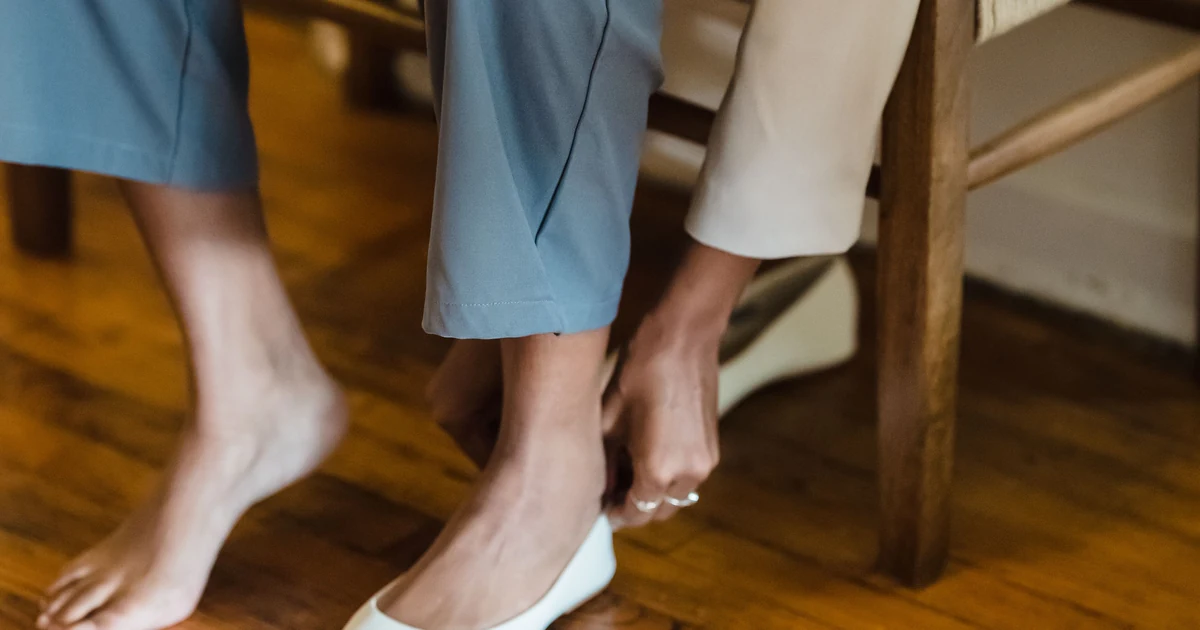
A neuroma in the foot is an irritated, thickened area around a digital nerve. The nerve runs through a narrow space between the long bones of the forefoot. Repeated pressure can squeeze it against nearby tissues and produce burning or electric pain.
The American Academy of Orthopaedic Surgeons describes Morton’s neuroma as a condition aggravated by tight, narrow footwear and high heels because these shoes compress the toes and increase forefoot pressure (AAOS OrthoInfo). Running, court sports, dancing, or work that keeps you on the front of your feet can also trigger symptoms. Bunions, hammertoes, flat feet, or a high arch may change how pressure moves through the foot.
Both feet can hurt, but another diagnosis may create similar symptoms on both sides. That is one reason an exam matters.
What does Morton’s neuroma feel like?
The most recognizable symptom is burning pain in the ball of the foot that may travel into the toes. You might also notice:
- Tingling, numbness, or a pins-and-needles sensation in adjacent toes
- A sharp, shooting, or electric pain during push-off
- The sense that a sock is bunched up or a small stone is under the foot
- Pain that worsens in narrow shoes, cleats, or heels
- Relief after removing the shoe, resting, or massaging the forefoot
Not every neuroma foot problem follows the same script. Stress fractures, metatarsalgia, arthritis, plantar-plate injuries, bursitis, and nerve problems farther up the leg can overlap with these symptoms. New swelling, bruising, redness, weakness, or pain after an injury deserves prompt attention.
How is Morton’s neuralgia diagnosed?
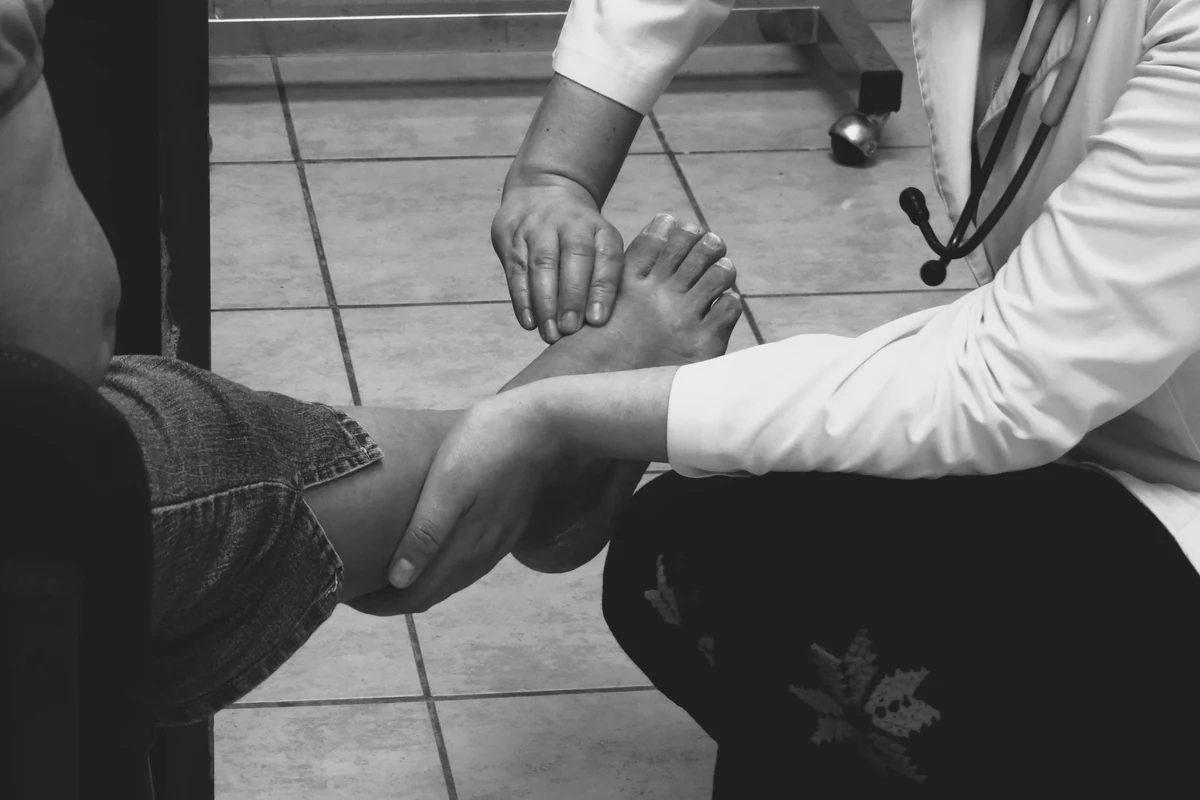
Diagnosis begins with your story and a hands-on examination. Your podiatrist will ask where the pain starts, which toes are affected, what shoes or activities bring it on, and what relieves it. The exam may reproduce symptoms by pressing the painful web space or gently compressing the forefoot.
X-rays do not show the nerve thickening, but they can help rule out a stress fracture, arthritis, or another bone problem. Ultrasound or MRI may be useful when symptoms do not match the typical pattern. Mayo Clinic notes that MRI is often used to rule out other conditions rather than as an automatic test for every patient (Mayo Clinic).
The goal is to identify what is loading the nerve so treatment addresses both the irritated area and the pressure behind it. Learn more about Dr. Vivian Iwu and the practice.
What can you do for ball of foot pain at home?
Early pressure relief is a sensible first step when symptoms are mild and there was no significant injury.
- Change the shoe. Choose a low heel, cushioned sole, and wide toe box. Your toes should spread without rubbing the sides.
- Reduce the aggravating activity temporarily. Trade running, jumping, or long periods in dress shoes for a lower-impact option while the nerve settles.
- Use cold for comfort. Apply a wrapped cold pack for short periods. Do not put ice directly on skin, especially if sensation is reduced.
- Avoid placing a pad directly under the sore spot. A metatarsal pad is usually positioned just behind the metatarsal heads. Poor placement can increase pressure.
- Check medication safety. Anti-inflammatory medicine is not appropriate for everyone. Ask a clinician or pharmacist if you have kidney disease, stomach ulcers, take blood thinners, or have another relevant condition.
Home care should not become months of trial and error. Continued tingling or numbness suggests the nerve remains irritated.
Do Mortons neuroma exercises help?
“Mortons neuroma exercises” are often promoted as a cure, but exercise has a narrower role. Gentle calf stretching, toe mobility, and foot-strength work may improve motion and load control for some people. They cannot make an established thickened nerve disappear.
A safe starting point may include gentle calf stretching, slow toe spreading, and short-foot activation. Stop if an exercise reproduces burning, shooting pain, or numbness. The right program depends on the cause.
How is Morton’s neuroma treated without surgery?
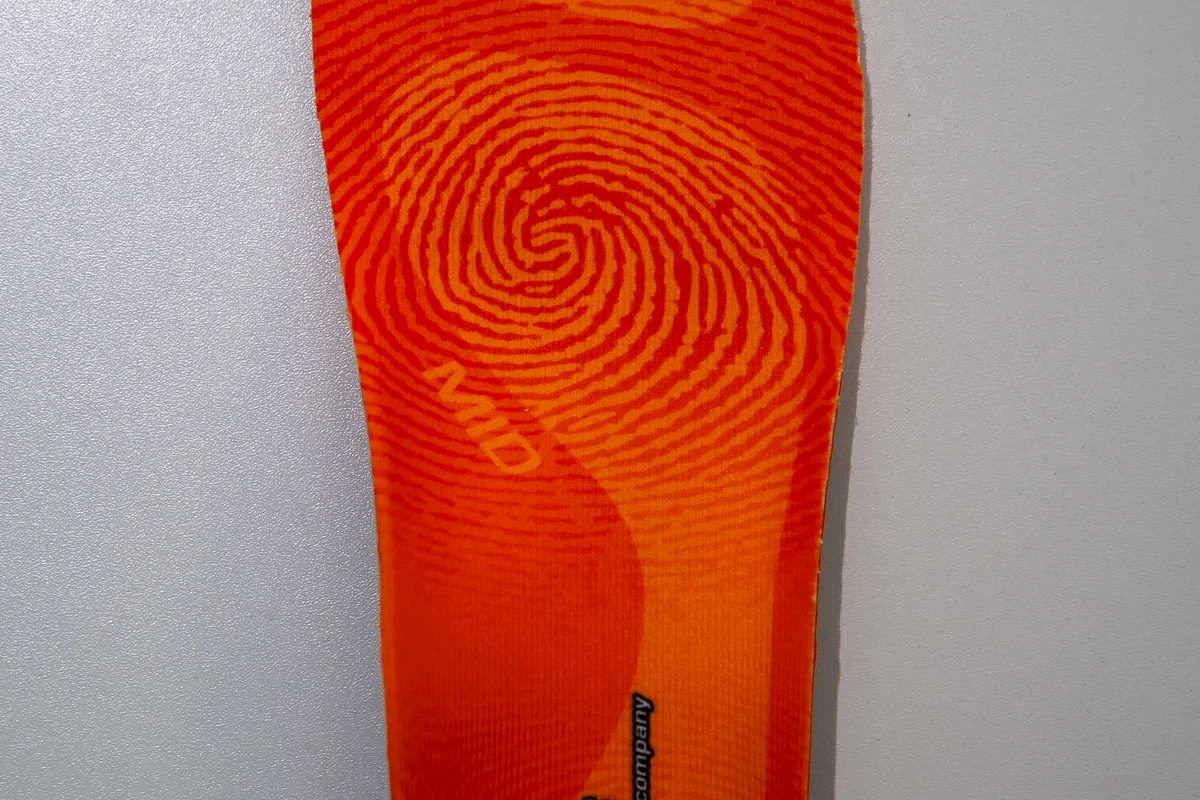
Most treatment begins conservatively. Options may include footwear changes, activity modification, metatarsal pads, and custom orthotics designed to redistribute pressure across the forefoot. A custom device is not necessary for every case, but it can help when foot structure or walking mechanics repeatedly overload the nerve.
If symptoms persist, a clinician may discuss an injection. Corticosteroid injections can reduce inflammation and pain, though results vary and repeated injections have risks. The AAOS notes that shoe changes, orthoses, medication, and injections provide meaningful relief for many patients before surgery is considered (AAOS OrthoInfo).
Surgery is generally reserved for pain that continues despite an adequate course of nonsurgical treatment. Procedures may release tissue around the nerve or remove the affected portion. Removing nerve tissue can leave permanent numbness, so the decision deserves a clear diagnosis and a careful discussion of benefits, risks, and recovery.
When should you book a nerve evaluation?
Schedule an evaluation if the pain keeps returning, you have tingling or numbness, you are changing the way you walk, or wider shoes no longer help. Seek care sooner after a significant injury, or if the foot is very swollen, red, hot, weak, or difficult to bear weight on. People with diabetes, poor circulation, or reduced sensation should not rely on prolonged self-treatment.
Book a nerve evaluation at Choice Podiatry Center in Marietta. Call (770) 702-8723 to get started.